What Is EV Charger Load Management?
EV charger load management adjusts charging power to account for other electrical use in your home. It can help keep total demand within a panel's available capacity, but it doesn't replace an electrician's load calculation.
On this page (8 sections)
- How does EV charger load management work?
- When can load management help at home?
- What should you ask an electrician before choosing a system?
- Which chargers have a relevant load-management feature?
- Does load management make charging faster?
- Is scheduled charging a form of load management?
- What should you check before relying on load management?
- Is EV charger load management right for your home?
EV charger load management adjusts charging power to account for other electrical use in your home. It can help keep total demand within a panel's available capacity, but it doesn't replace an electrician's load calculation.
A charger can draw a large, steady load for hours. If your home also runs appliances such as an oven, dryer, or air conditioner, load management may reduce charging current when demand rises.
How does EV charger load management work?
A load-management system monitors or limits electrical demand, then adjusts EV charging to stay within a set capacity. Depending on the setup, it can measure the home's overall use or divide power among multiple chargers.
A system that measures whole-home demand can respond as other electrical loads switch on and off. A system that shares power among chargers instead keeps those chargers within a combined limit.
The charger may slow down when the household needs more power and increase charging again when demand drops. Charging speed can vary, so overnight charging time may change with your home's electricity use.
What is the difference between load management and load sharing?
Load management balances EV charging with other home electrical loads; load sharing divides a set amount of charging power among chargers. Both can control current, but they address different situations.
For example, a whole-home system can respond to changing demand from appliances. A multi-charger system can distribute a shared charging limit between two vehicles, sometimes using equal sharing or giving one charger priority.
Check the feature's operating limits and required equipment before relying on it. A charger with a sharing feature may not also measure your whole home's electrical demand.
When can load management help at home?
It can help when an electrician determines that a compatible system can safely manage EV charging within the home's available electrical capacity. This may be relevant when service is limited or when you want to support more than one charger.
That doesn't mean load management suits every panel or installation. The electrician needs to assess the home's service, panel, wiring, existing loads, charger, and the specific control equipment.
If you're planning a Level 2 installation, compare which outlet a Level 2 EV charger needs with the charger's wiring requirements. For hardwired and plug-in charging rates, see 40 amp vs 48 amp EV chargers.
Can load management avoid a panel upgrade?
Sometimes it may let a compatible installation stay within the capacity already available, but only an electrician can determine whether that applies to your home. The feature manages demand; it doesn't increase the rating of your service, panel, or wiring.
Don't assume a charger advertisement settles the question. Get an electrical assessment before buying equipment or deciding to skip an upgrade.
What should you ask an electrician before choosing a system?
Ask how the system measures demand, what equipment it needs, and what happens when household loads rise. Also ask whether the charger and control system work together in your home's specific wiring setup.
Find out whether the installation requires a separate energy monitor, communication connection, or additional wiring. Confirm who will configure and verify the system, and ask what charging behavior to expect when it limits current.
A load calculation should account for the home's electrical equipment and the proposed charger. An electrician can also explain whether a NEMA outlet or hardwired EV charger fits the planned installation.
Which chargers have a relevant load-management feature?
Look for a charger whose stated load-management feature matches the problem you need to solve. The products below have different features, so confirm compatibility and installation needs with an electrician before choosing one.
Emporia Pro 48A Hardwired Charger
Emporia says its PowerSmart technology works with the existing electrical panel to balance load automatically. The package includes a Vue Home Energy Monitor with PowerSmart software, and the charger is rated for 48A hardwired installation.
Ask the electrician whether the monitor and PowerSmart setup are suitable for your service and installation. Professional installation is recommended.
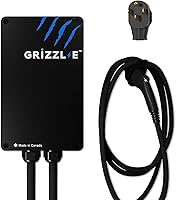
Grizzl-E Ultimate 48A Hardwired Charger
Grizzl-E says the Ultimate can automatically balance power across multiple chargers, with equal sharing or priority charging. It is a hardwired, 48A charger with a J1772 cable.
This feature addresses charging across multiple chargers. Confirm whether it meets your needs if you also want to manage demand from the rest of the home.
Emporia 48A Hardwired J1772 Charger
This Emporia charger is a hardwired 48A model with Wi-Fi access to energy data and charging controls. Its listed features include scheduling and remote management, but they don't state that it includes PowerSmart load management.
Don't treat scheduled charging as a substitute for load management. If you need automatic balancing with home demand, check that the exact charger and required equipment support it.
Does load management make charging faster?
Load management doesn't increase a charger's maximum output; it can help use available capacity when conditions allow. When household demand is high, the system may lower charging power, which can lengthen charging time.
The charger's maximum rate also depends on its electrical connection and the vehicle's onboard charger. See how long it takes to charge an EV at home for the factors that affect charging time.
A system's value is less about reaching a faster peak and more about managing power safely across competing loads. Ask how often it may limit charging in your household.
Is scheduled charging a form of load management?
No. Scheduled charging chooses when a charging session starts or runs; load management adjusts charging power to stay within an electrical limit.
A charger can offer scheduling without balancing load.
Scheduling can help you choose off-peak hours if your utility has time-based rates. It can't tell whether an oven or dryer has raised home demand unless the equipment also has a compatible load-management function.
Before comparing smart chargers, separate the functions you want: charging schedules, energy tracking, whole-home load balancing, or sharing power across chargers. Our guide to how much a Level 2 charger costs can help you plan the equipment and installation budget.
What should you check before relying on load management?
Verify the system's compatibility, operating limits, installation requirements, and response to communication or equipment problems. Ask the electrician how the system behaves if a monitor loses connection or a charger cannot receive an update.
Confirm which electrical loads the system measures and whether it controls one charger or several. Make sure the settings match the home's service and the charger's installation.
Don't use an app setting or a manufacturer's general claim as proof that a particular installation is safe. The electrician's assessment and the equipment instructions should guide the final setup.
Is EV charger load management right for your home?
Consider load management if you need a charger to share limited electrical capacity with household loads or another charger. Choose a system only after an electrician confirms the equipment can manage your home's specific electrical setup.
If your main goal is charging at a lower-cost time, scheduled charging may be enough. If you need automatic load balancing, compare the required monitor or charger features and ask the electrician how they will be configured.
For circuit planning, start with EV charger outlet requirements. Then choose between a system designed for home-load balancing, a multi-charger sharing feature, or a standard charger based on the electrician's assessment.
Frequently asked questions
What is EV charger load management?
EV charger load management changes charging power in response to electrical demand elsewhere in a home or across multiple chargers. A compatible system can reduce charging current when demand rises and allow more charging when demand falls.
It must be designed and installed for the specific equipment and electrical setup.
Does load management mean I can skip a panel upgrade?
Not necessarily. A compatible load-management system may help some homes use an EV charger without exceeding available service capacity, but an electrician must evaluate the panel, wiring, loads, and equipment.
It does not create more electrical capacity or make an unsuitable circuit safe.
Is load management the same as scheduled charging?
No. Scheduled charging sets when a vehicle charges, often to match a preferred time or utility rate.
Load management adjusts charging power based on electrical demand or a shared charging limit.
Some smart chargers offer both functions, but scheduling alone doesn't balance a home's electrical load.
Can two EV chargers share one electrical service?
They may be able to share power if the chargers and electrical system support a properly configured load-sharing feature. The chargers divide available capacity according to the system's rules, which can affect charging speed.
Ask an electrician to confirm the circuit, service limits, and compatibility before adding a second charger.