Level 2 vs Level 3 EV Chargers: What Is the Difference? (October 2026)
Level 2 vs Level 3 EV chargers comes down to where you charge and how quickly you need power: Level 2 fits home charging, while Level 3 suits faster public stops. Choose based on your vehicle, parking routine and electrical setup.
On this page (9 sections)
- Level 2 vs Level 3 EV charger: what is the main difference?
- How fast are Level 2 and Level 3 chargers?
- Who should choose Level 2 for home charging?
- When should you use Level 3 charging?
- Can Level 3 charging replace home charging?
- What does a Level 2 charger need at home?
- How should you set up and care for a home charger?
- What mistakes should you avoid when comparing charging levels?
- Which option should you choose?
Level 2 vs Level 3 EV chargers comes down to where you charge and how quickly you need power: Level 2 fits home charging, while Level 3 suits faster public stops. The right choice depends on your vehicle’s charging limits, where it sits during the day and whether you need a home circuit upgrade.
For many drivers, Level 2 covers everyday home charging because the car can gain energy while parked for several hours. Level 3 is useful for road trips and other times when a shorter public stop matters more than charging at home.
Level 1 is a slower option from a regular outlet. It can suit drivers with light daily use and a long parking window, but it is not a substitute for Level 3 when you need a quick stop.
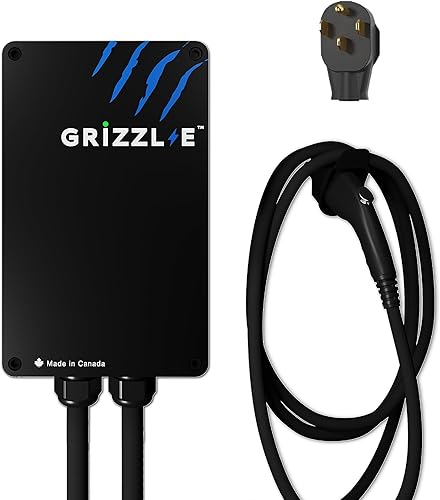 Best for adjustable home charging
Grizzl-E Classic 40A NEMA 14-50 Charger

Level 2 vs Level 3 EV charger: what is the main difference?
Level 2 supplies AC power, while Level 3 DC fast charging supplies direct current to the vehicle. Level 3 equipment handles power conversion at the charger, which allows faster charging than the AC equipment commonly used at home.
With Level 2, the car’s onboard charger converts AC power for the battery. A home unit usually connects to a 240V circuit, and the rate depends on the charger, circuit and vehicle.
Level 3 chargers are commonly found at public charging locations. They are designed for faster stops, but a vehicle must support DC fast charging and use a compatible connector.
“Level 3” is a common everyday term. You may also see DC fast charging or rapid charging used for this kind of charging.
How fast are Level 2 and Level 3 chargers?
Level 3 can add energy faster, but the time for either level depends on the car and charging conditions. Battery size, temperature, current charge and the vehicle’s maximum charging rate all affect the time.
Level 2 works well during a longer parking period, such as overnight at home or during a workday. You can plug in when you arrive and let the car charge while you do something else.
A Level 3 stop is usually shorter, but charging may slow as the battery gets closer to full. For a trip, a shorter stop with enough energy to reach the next destination may make more sense than waiting for a full battery.
Use your vehicle’s manual or charging screen to understand its limits and expected times. Our guide to how long it takes to charge an EV at home explains why estimates vary.
Can your EV use a Level 3 charger?
Your car must support DC fast charging and use a compatible connector. Check the owner’s manual or the automaker’s charging guidance before planning a route around a fast charging station.
Connector compatibility matters for Level 2 as well. Many North American EVs use J1772 for AC charging, while Tesla and newer vehicles may use NACS; an adapter can help in some cases, but confirm it fits your vehicle and charging needs.
Who should choose Level 2 for home charging?
Choose Level 2 if you park at home for several hours and want more charging speed than a regular 120V outlet can provide. It suits drivers who want the car ready for daily use without planning regular public charging stops.
A home Level 2 setup needs a suitable 240V power source and a circuit sized for the charger. Before buying, check whether your electrical panel can support a new circuit and whether a plug-in or hardwired setup better fits your home.
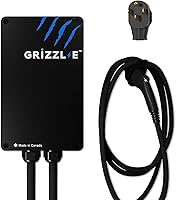
The Grizzl-E Classic gives you adjustable current settings from 16A to 40A and a NEMA 14-50 plug. It suits a home with a compatible outlet and circuit, especially if you want a unit that can be unplugged.
The Emporia 48A is a hardwired Level 2 option with Wi-Fi scheduling and energy data features. It fits a driver who wants those smart functions and has a compatible circuit; professional installation is recommended.
Skip a higher-current home charger if your panel cannot support the circuit, your car cannot use the extra AC power, or your daily routine already works with a regular outlet. A higher maximum rating alone does not mean your car will charge faster.
For more help comparing a home unit’s amps and connection, see our Level 2 charger for home guide. It covers plugs, circuit choices and what to buy.
When should you use Level 3 charging?
Choose Level 3 when you need a faster public charging stop and your vehicle supports DC fast charging. It is most useful on road trips, between destinations or when you cannot leave the car parked long enough for Level 2.
Before relying on a fast charger, confirm the vehicle’s connector and DC charging capability. Check your route for compatible stations, and plan around the charge your car needs to reach the next stop.
Level 3 may be a poor fit if you mostly charge at home and rarely take longer trips. It also may not help if your vehicle cannot accept DC fast charging or if the available station connector does not match your car.
A public fast charger’s maximum output does not guarantee your vehicle will receive that rate. The car’s charging limit, battery temperature and charge level can all reduce the rate during a stop.
Can Level 3 charging replace home charging?
Level 3 can cover fast charging needs, but home Level 2 is more convenient for drivers who can charge where they park. Charging overnight avoids making a separate stop on many ordinary days.
If you rely on public charging, check station locations, connector compatibility and access along regular routes. A fast charger is useful only when your vehicle can accept its power and the site is available when you need it.
For shorter daily drives, Level 1 may be enough if the car can stay plugged in for a long time. The Lectron Level 1 charger uses a standard 120V outlet and includes a 16 ft extension cord, so it suits drivers who can charge at home or work over a longer window.
Skip Level 1 if you regularly drive farther than the outlet can replenish overnight or need a faster turnaround. See whether you can charge an EV from a regular outlet to compare Level 1 with a home Level 2 setup.
What does a Level 2 charger need at home?
A home Level 2 charger needs a 240V power source and a circuit that matches its current draw. The charger’s maximum rating alone does not tell you what your home can support.
The Grizzl-E Classic can be set to 40A, 32A, 24A or 16A. Its maximum 40A output is for a 50A circuit breaker; lower settings match lower breaker sizes, so use the setting that fits the circuit.
The Emporia unit is hardwired and supports up to 48A. Have a qualified electrician check panel capacity, wiring and local requirements before installation.
Do not assume an existing outlet is suitable just because its shape matches the plug. Read our guide on which outlet a Level 2 EV charger needs before planning a plug-in installation.
How should you set up and care for a home charger?
Start with your car’s connector, your circuit and the place you park. These checks help you avoid buying a charger that does not fit your electrical setup or reach the vehicle.
Measure the route from the planned charger location to the car’s charge port, and allow enough cable slack for everyday parking. Keep the unit and cable positioned so they do not block a walkway or get driven over.
Follow the charger instructions for mounting and connection. Use a qualified electrician for hardwired work or any circuit changes, and confirm the unit’s current setting matches the circuit before charging.
Keep the cable neatly stored when it is not in use, and avoid sharp bends, pinching or running it where tires can cross it. Check the cable, connector and outlet periodically for visible damage or unusual heat, and stop using the equipment if you see a problem.
What mistakes should you avoid when comparing charging levels?
The biggest mistake is choosing from the level label alone. A charger’s usefulness depends on the car, available power and the time you have to charge.
Do not assume every EV supports DC fast charging, or that every connector fits every vehicle. Confirm the car’s AC and DC capabilities separately, since a vehicle may use different charging standards for home and public charging.
Do not compare a charger’s advertised maximum with the rate your car will receive. The vehicle’s own charging limit and battery conditions can cap the actual rate.
For home charging, do not plug a high-current charger into an outlet simply because the plug fits. Check the outlet’s rating and circuit, and get electrical advice where needed.
Which option should you choose?
Choose Level 2 for routine home charging, Level 3 for quicker public stops, and Level 1 when a standard outlet and long parking window are enough. That rule covers most decisions, but your vehicle and electrical service determine what will work.
Pick Level 2 if the car sits at home for several hours and you have, or can add, a suitable 240V circuit. Choose a plug-in unit for a compatible outlet and a hardwired model when the installation and features fit your needs.
Choose Level 3 if you take longer trips, need faster charging away from home and your vehicle supports DC fast charging. Keep Level 1 if your daily driving is light and overnight outlet charging keeps up.
For a home decision, start with what a Level 2 EV charger is and compare the circuit requirements with your setup. The best answer to “level 2 vs level 3 ev charger” is the level that fits where you park, what your car accepts and how quickly you need to get moving.
Frequently asked questions
Is Level 3 charging faster than Level 2?
Yes. Level 3, also called DC fast charging, can add range much faster than typical home Level 2 charging, but actual speed depends on the vehicle, charger and battery conditions.
A vehicle may slow charging as its battery fills, so a site’s maximum output is not a promise of constant speed.
Can I install a Level 3 charger at home?
Most home charging setups use Level 1 or Level 2 equipment. Level 3 DC fast charging uses higher power and specialized equipment, so it is generally found at public charging sites.
Ask a qualified electrician about your service capacity before planning any high-power charging installation.
Does every EV support Level 3 charging?
No. DC fast charging support depends on the vehicle and its connector.
Some EVs or plug-in hybrids may not support it.
Check your owner’s manual for the charging standards and maximum DC charging rate your vehicle accepts before relying on fast charging.
Is Level 2 enough for daily charging?
For many drivers, Level 2 works well for overnight home charging because the car can add energy while parked for several hours. The right fit depends on your daily driving, the vehicle’s onboard charger and your electrical setup.
Compare your routine with the time estimates in our home charging guide.
Is Level 3 the same as DC fast charging?
Level 3 is a common name for DC fast charging, which sends direct current to the vehicle rather than relying on the car’s onboard AC charger. You may also see charging networks use terms such as DC fast charging or rapid charging, so check connector and vehicle compatibility.